
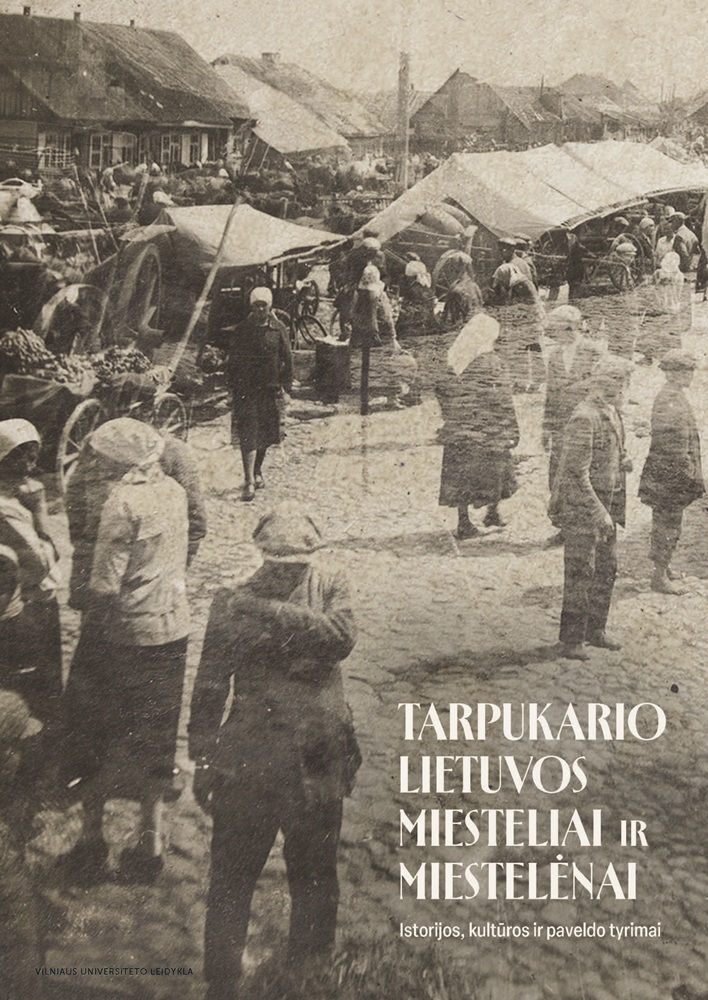
The article focuses on national festivities of the First Republic of Lithuania dedicated to the memory of its statehood, with an emphasis on the celebration of February 16 in the smaller Lithuanian towns in 1919–1923. By referring to the mass media of the time as well as archival sources, the sources, spreading and development of this festival are explored. The article investigates its implementation while considering the related social issues registered in the testimonies of the participants. The research has revealed that it was an idea of the Government of Lithuania to start the celebration of February 16, and the ‘first run’ was implemented as early as in 1919. However, in many settlements, the first case of celebrating February 16 actually happened only in 1920. Holding the festival was primarily the duty of the council of the volost. Not only the funds, but also human resources were modest, and therefore numerous volunteers were required. Hence, this festival would turn into a trial of solidarity and the sense of community. It was common that, on the day of the festival, social or ideological disagreements would spring up. The dynamics of this festival largely differed from settlement to settlement, and the five-year anniversary did not evolve into any exceptional festivity. The majority of small-town residents would remain passive observers of the festival, or did not participate at all. Lithuanian society still needed time to make this festival ‘one’s own’, adopt this festival, and develop the sense of citizenly community.

This work is licensed under a Creative Commons Attribution 4.0 International License.