
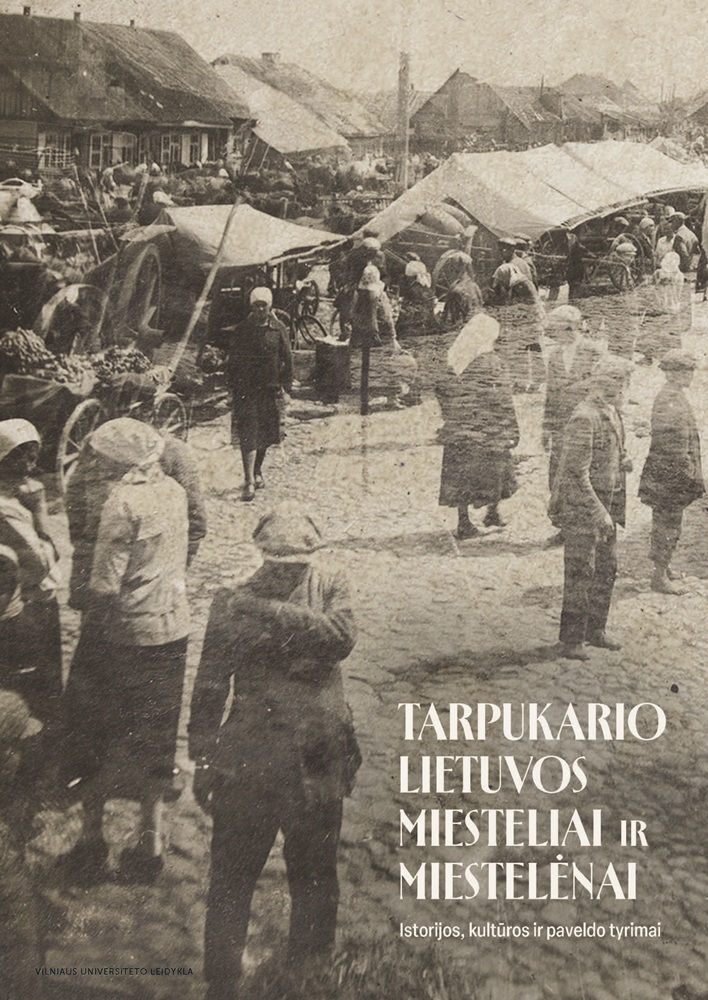
The article investigates part of the parson of Troškūnai Parish, Rev. Antanas Pauliukas diary kept from 1918 to 1929, which reflects the daily routine of Troškūnai, a minor town, and the surrounding areas. The text raises issues regarding the concepts of a ‘small town’ and a ‘town resident’, and a question is posed whether, in the 1920s, in the Lithuanian provincial areas, these concepts served to define specific geographical and cultural areas, and whether this cultural space differed from the countryside and the village/small town. The article also discusses snapshots of the daily routine described by Rev. Pauliukas (including specific types of work, festivals, public activity, and self-governance) where – directly or indirectly – opportunities arise to grasp the instances and key points in the authentic life of a small town.

This work is licensed under a Creative Commons Attribution 4.0 International License.