
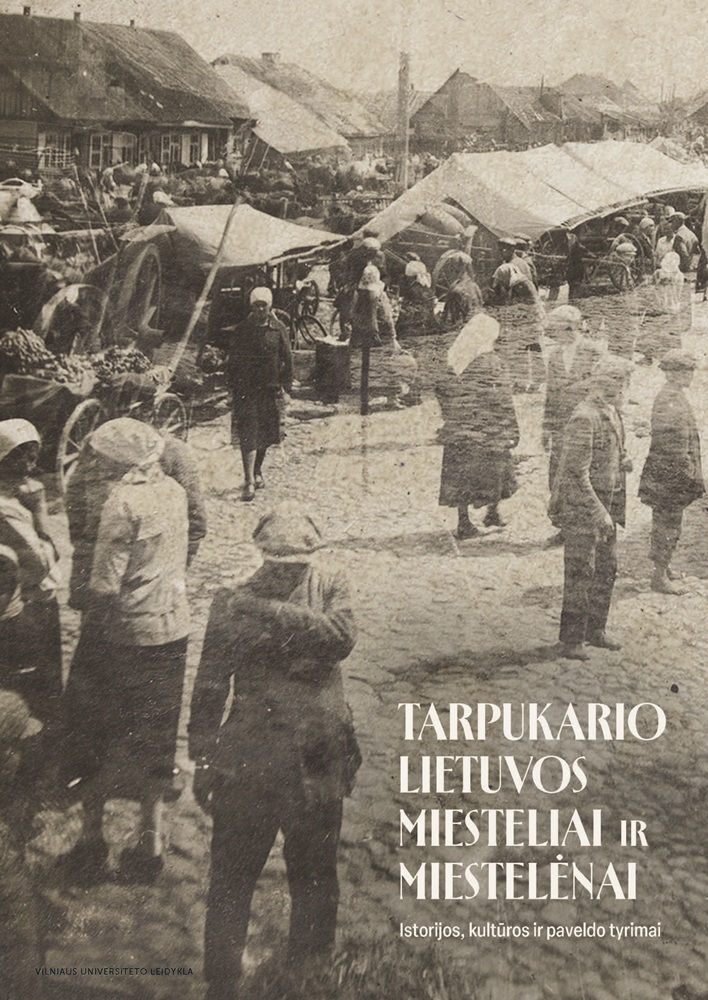
The article discusses the processes of the outset of the local governance in the First Republic of Lithuania which extended to small Lithuanian towns and frequently became the epicenter of election commotions. It was the smaller towns where local governance structures of volosts were established. They ensured stability and continuity of the social, economic and cultural life of volost residents. Small-town residents became immediate participants of election processes and witnesses of the ongoing election clashes. Election practices initially differed, yet, later on they were improved. They involved the lion’s share of small-town residents who had to ‘fast-track’ learn the basic practices of the political self-expression routine. The article also investigates how the elected town residents would become the elite of the volost governance and considers whether this was a highly complex process.

This work is licensed under a Creative Commons Attribution 4.0 International License.