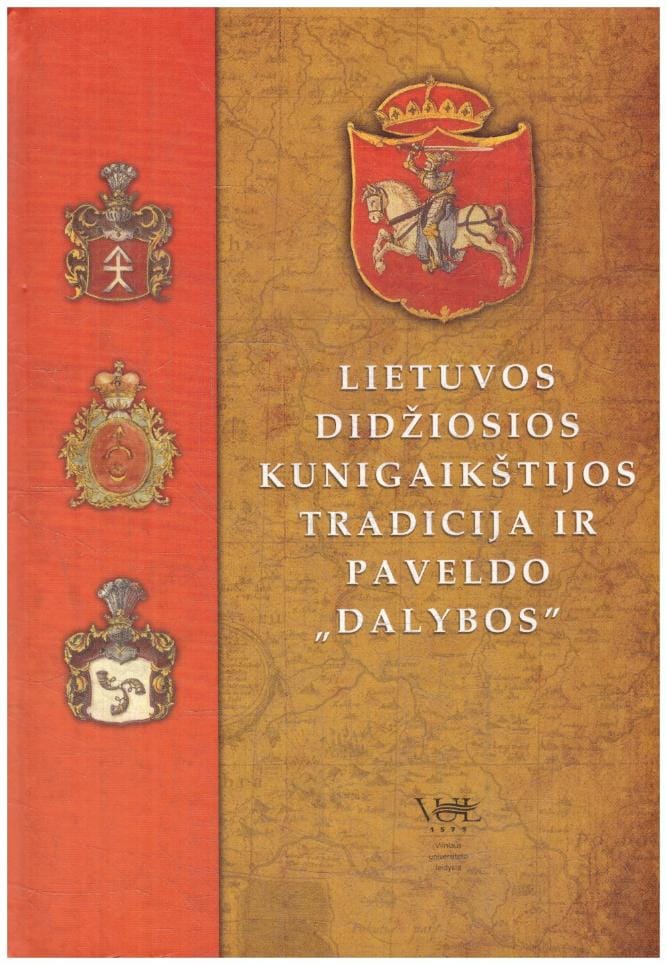
Although modern national movements of the Lithuanians, Poles, Belarusians and Ukrainians in the 19th century were born in the same area of the former Polish-Lithuanian Commonwealth territories, the paths of the new nations very quickly diverged, radically departing from the old Polish, Lithuanian or Ruthenian nobility-based identities. The manifestations of the new identities first took place among the Polish-Lithuanian emigrants in Western Europe. The new Polish identity that was first to emerge from the remnants of the Commonwealth was later followed by „the new” Lithuanian, Belarusian and Ukrainian identities.
The new Lithuanian identity based on popular culture and the language of the Baltic language family had a complex and difficult relationship with then old Lithuanian identities in the Grand Duchy of Lithuania and radically departed from the traditional nobility culture and values, and the dominant Polish language. The old, modern and future Lithuanian identities finally retreated in the first quarter of the 20th century in the Independent Republic. The Grand Duchy of Lithuania and its imagery remained of secondary importance in the context of the modern Lithuanian identity of the Interwar Republic.

This work is licensed under a Creative Commons Attribution 4.0 International License.