
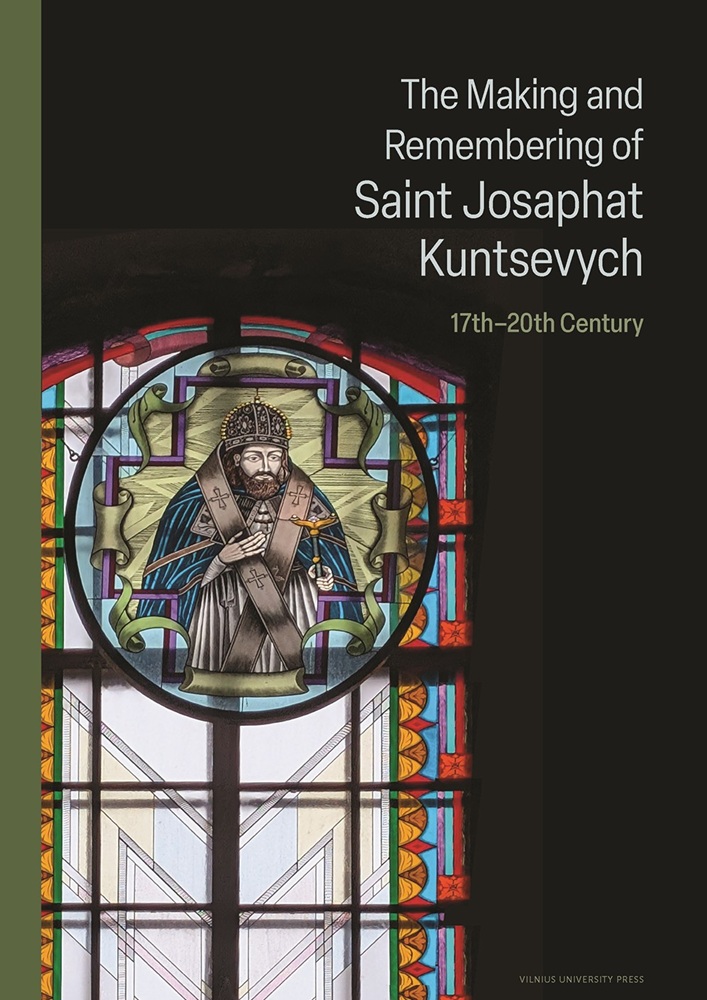
The study focuses on a close reading of the Prologue, which was composed by Miguel Pérez, a Spanish Basilian monk and intellectual who taught at the University of Salamanca. In 1684, he published a book in Madrid which contained his translation of Yakiv Susha’s Life and Martyrdom of St. Josaphat Kuntsevych, which had been published in 1665 in Rome in the Latin language. This 1684 edition opened with the Prologue, also written by Pérez, an outstanding theological treatise which used the sophisticated stylistic devices of Baroque literature and rhetoric in order to demonstrate the spiritual authority of the Rules of St. Basil the Great. The result is amazing: in his Prologue, Pérez creates a myth concerning St. Josaphat, and skilfully inscribes it in the cultural space of the Spanish Golden Age. Together, the translation of Susha’s Life and Martyrdom of St. Josaphat Kuntsevych and Pérez’s commentaries have remained an unknown episode in the history of St. Josaphat’s veneration.

This work is licensed under a Creative Commons Attribution 4.0 International License.